
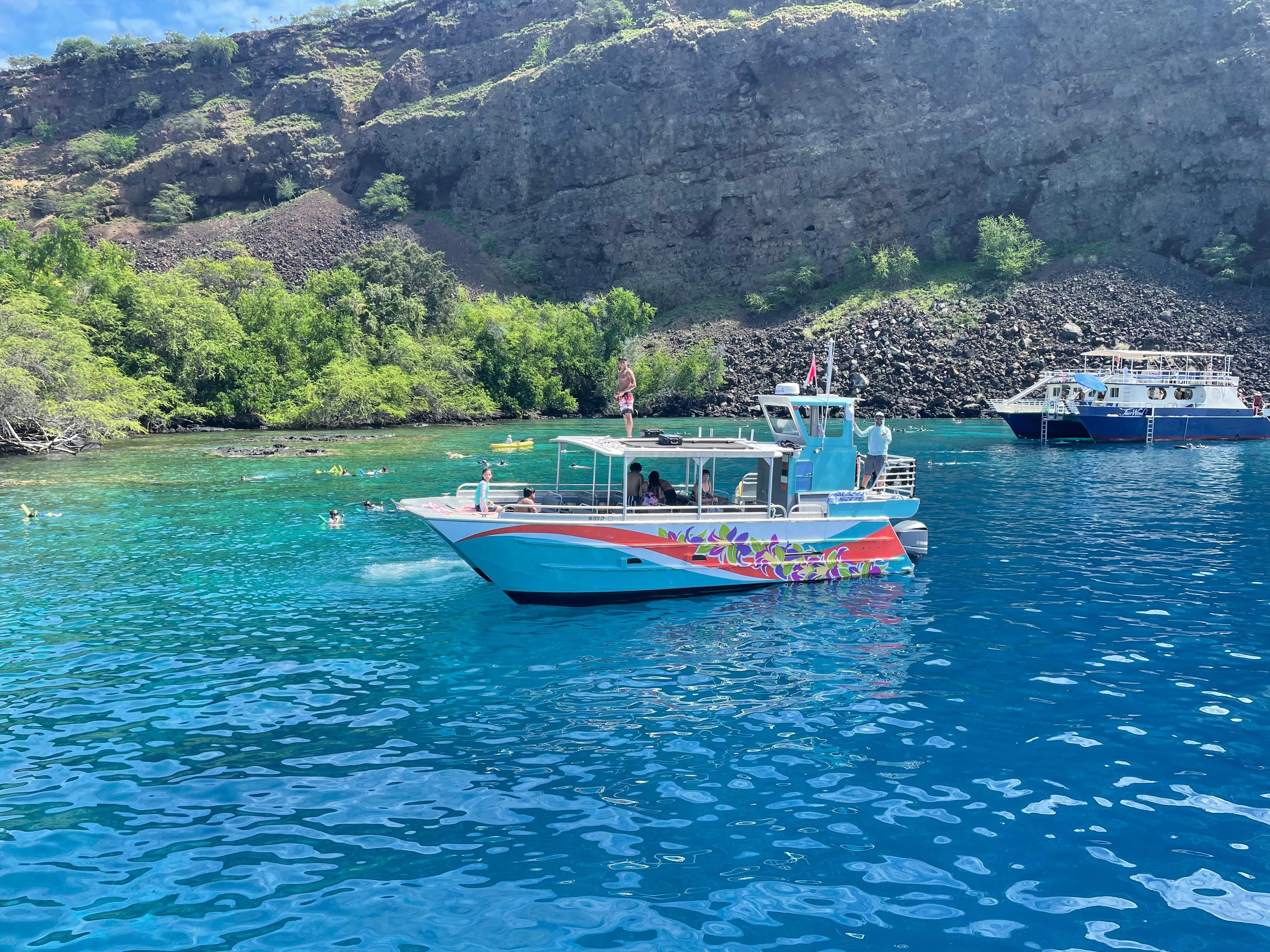
4 hr 30 min
Captain Cook Reef Catamaran & Snorkel Adventure
Sail to Kealakekua Bay, snorkel vibrant reefs, and discover the monument marking Captain Cook's final voyage.
Reserve
Hand-picked by our editors — only the best 5 tours from 12 reviewed.
Verified partners for every tour, free cancellation where available, and instant confirmation on every booking.
4 hr 30 min
Sail to Kealakekua Bay, snorkel vibrant reefs, and discover the monument marking Captain Cook's final voyage.
Reserve
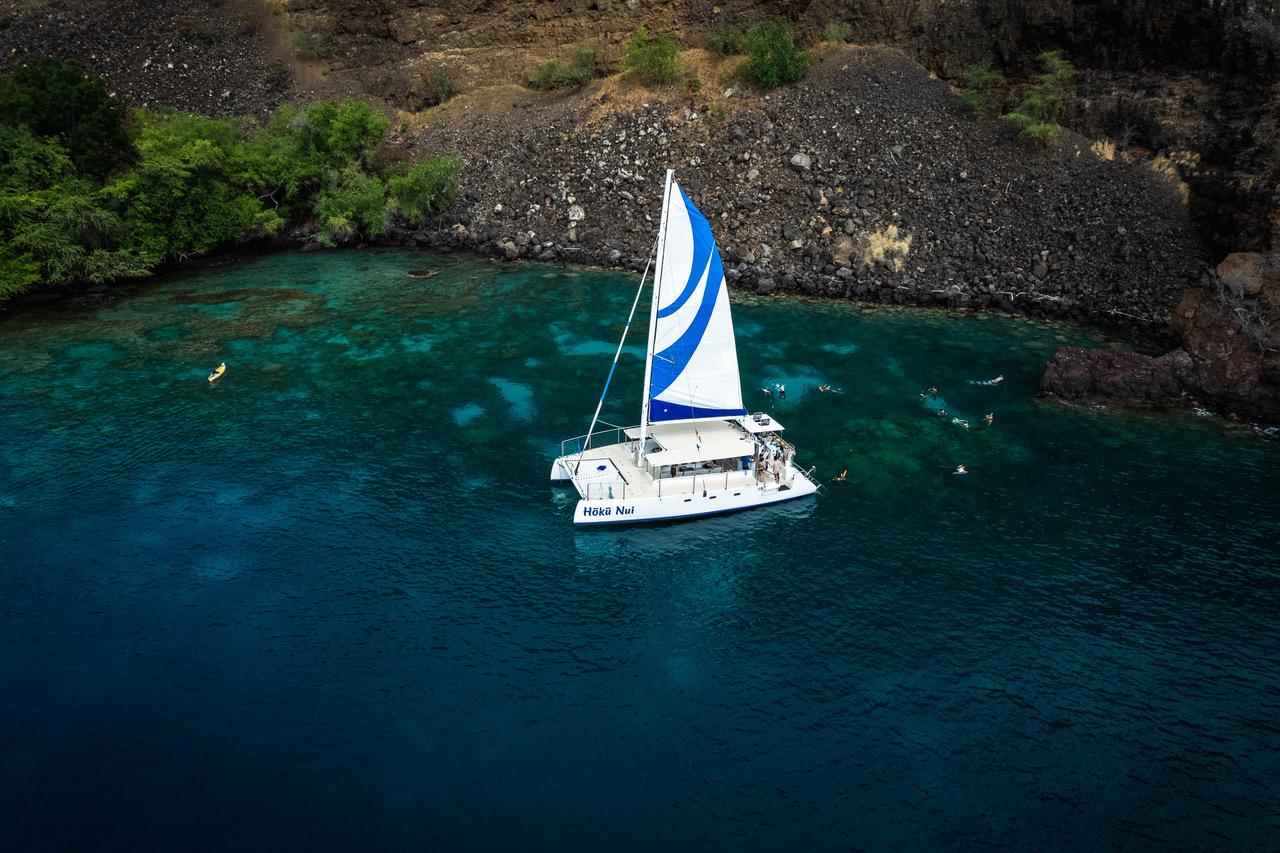
3 hr
Sail the Kona coastline aboard a catamaran and snorkel the pristine waters of Kealakekua Bay
Reserve
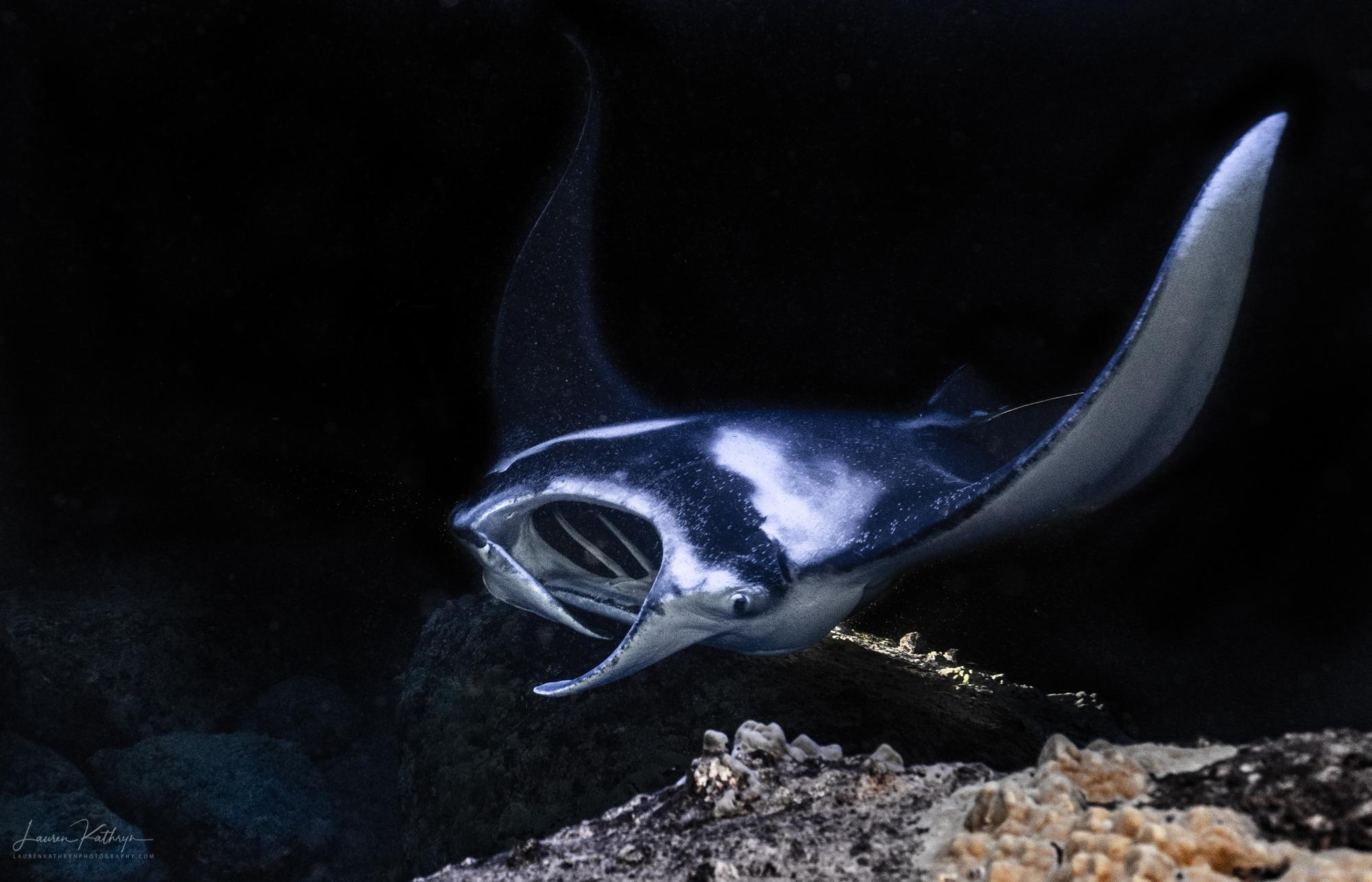
2 hr
Swim alongside gentle giant manta rays under the stars on this evening snorkel adventure.
ReservePrices from verified partners. Availability updates in real time at checkout. Free cancellation policies apply where shown.
The landmarks, rooms, and views travelers on this tour remember — all visible on a single visit.
A 27-foot white obelisk marking the site where the British explorer landed and later perished in 1779.
Renowned for the clearest water and densest coral reefs within the marine conservation district.
A sacred ancient Hawaiian temple site once dedicated to the god Lono, located near the water.
The primary launch point for many guided excursions and a historic access site for the bay.
They complement each other; most visitors who do both call the motorized catamaran the more convenient way to reach the monument while the kayak tour is more intimate. Exploring the Kealakekua Bay landmarks by paddle provides a closer connection to the water than high-speed motorized boat tours.
| Feature | Top pick Kayak Tour | Catamaran Tour |
|---|---|---|
Physical exertion |
High (paddling) | Low (seated) |
Access to restricted areas |
Direct shore access | Near-shore mooring only |
Travel time to monument |
45–60 minutes | 20–30 minutes |
Snorkeling time |
60–90 minutes | 60–120 minutes |
Group size |
Small (2–12 people) | Large (20–60 people) |
Onboard amenities |
Basic (dry bags) | Extensive (restrooms, bar, slides) |
| See tickets → |
Verdict: If you have secured your captain cook kayak snorkel tour tickets, expect an active adventure, whereas catamaran tours provide a social environment with full facilities.
Choose your ticket, select your date, and reserve in under two minutes. Secure checkout handled by our verified partner.
Instant confirmation by email, with a mobile voucher you can save offline. No printing, no queuing at a collection desk.
Arrive at the entrance, show your voucher on your phone, and walk in. Most tickets include priority or skip-the-line access.
Practical details for your visit straight from our verified partners — hours, access, rules, and how to get there.
Wear swimwear, rash guards, and water shoes for rocky shore entry. Bring a hat and polarized sunglasses for the captain cook kayak snorkel tour.
Keep belongings minimal. Secure dry bags are essential for any captain cook kayak snorkel tour to protect cameras and personal items from salt water.
Underwater cameras are ideal. Respect federal guidelines; never approach protected marine wildlife during your captain cook kayak snorkel tour.
Shoreline entry at Kealakekua Bay is rugged and uneven. Most participants of a captain cook kayak snorkel tour should be comfortable with basic ocean swimming.
The calm morning waters of a captain cook kayak snorkel tour are generally suitable for families, though children should be strong swimmers.
Bring sufficient water and snacks. Most organized captain cook kayak snorkel tour packages include light refreshments.
Best time to go, insider tips, nearby landmarks, and the cancellation fine print — flip through to skim what matters to you.
Flexible, no hidden fees.
Most commercial captain cook kayak snorkel tour operators require 48-hour notice for cancellations. Please verify your specific booking terms as many monument access tours are non-refundable.
Kealakekua Bay holds the deepest water clarity along the Kona coast — visibility routinely exceeds 100 feet — because no streams drain into this crescent, and the lava shelf drops nearly vertical into a marine life conservation district that has been closed to most boat traffic since 1969. The bay earned state historical park status not for its reefs but for the white obelisk on the north shore, a monument erected by British sailors in 1874 to mark the spot where Captain James Cook was killed during a skirmish with Native Hawaiians on February 14, 1779. The land surrounding the monument remains under the jurisdiction of the United Kingdom, a 25-by-12-foot parcel deeded in perpetuity, making it one of the smallest parcels of crown land outside Britain. Today the bay operates under a dual mandate: protect the biological richness that draws spinner dolphins and green sea turtles into its shallows, and preserve access to the monument that overseas visitors and historians seek. Only kayaks, stand-up paddleboards, and a handful of permitted tour vessels may approach the monument beach. The coral gardens stretching south from the obelisk form one of Hawaii's healthiest reef systems, a gradient of elkhorn, cauliflower, and lobe coral that shelters yellow tang, Moorish idols, and endemic ornate wrasses. The reef thrives because Kealakekua sits within the Kona coast rain shadow — annual rainfall averages under 20 inches — and because state enforcement limits anchoring and fishing across the entire 315-acre conservation zone. Captain cook kayak snorkel tour departures launch from Napoopoo Wharf at the bay's southern edge or from Keauhou Bay five miles north, with the paddling distance to the monument ranging from one to three miles depending on launch point. Tour operators provide tandem kayaks, snorkel gear, and reef-safe instruction; most include a beach landing near the monument when surf conditions permit. The crossing requires moderate fitness — trade winds accelerate through the afternoon, turning the return paddle into a headwind workout — but the reward is immediate: within minutes of entering the water, snorkelers drift over walls where the reef drops from ten feet to sixty, and the fish density rivals anything in the main Hawaiian Islands. The bay remains one of the few places on the Big Island where coral cover exceeds 50 percent, a benchmark most Pacific reefs lost decades ago. Kealakekua Bay snorkeling tours operate year-round, though winter swells occasionally close the Napoopoo ramp and force launches from alternate sites. The monument itself is a simple white pillar — no museum, no interpretive signage — but the coastal trail above it connects to the 1871 Hikiau Heiau, a luakini temple platform where Cook was received during the Makahiki festival. The juxtaposition of sacred site and colonial memorial gives the bay a layered significance that few visitors anticipate when they first paddle out.
"Visibility routinely exceeds 100 feet because no streams drain into this crescent, and the lava shelf drops nearly vertical into a marine life conservation district closed to most boat traffic since 1969."
A step-by-step walkthrough of the visit — what you'll see, how long each stage takes, and the details that matter.
You slide your kayak into the water at Napoopoo Wharf just after seven, the bay surface still glass-flat before the trade winds wake. Your guide points north toward the white monument, a chalk mark against the black cliffs two miles across the bay. The paddle out takes 40 minutes at a steady pace, your bow cutting a straight line over water so clear you track the sandy bottom 30 feet below. Spinner dolphins sometimes arc past in the first half-mile; this morning you see only their tail slaps in the distance. At the monument beach you pull the kayak onto the rock shelf and walk 50 feet to the obelisk. The inscription is weather-worn, barely legible. Your guide allows ten minutes on land, then leads you 200 yards south to the coral gardens. You adjust your mask, bite down on the snorkel, and drop into water that feels like 76 degrees. Within seconds a school of yellow tang streams past, fifty fish moving as one unit. You kick slowly along the reef edge, watching the bottom fall away into blue nothing. A green sea turtle grazes on algae ten feet below; you hold your breath and dive to its level, equalizing pressure as you descend. The turtle ignores you. When you surface, your guide signals toward a pair of humuhumunukunukuapua'a threading through the coral fingers. The return paddle begins at nine-thirty, before the wind builds.
The park is open daily from 07:00–18:00.
No, the entrance fee is 0 USD (Free entry).
Arrive between 07:00–10:00 to avoid mid-morning crowds and afternoon winds.
Yes, limited restroom facilities are available at the park.
Yes, a 3.8-mile round-trip hike is available, though it is steep and challenging.
No, pets are not allowed at Kealakekua Bay State Historical Park.
Commercial operators for a captain cook kayak snorkel tour already hold the necessary state permits.
Yes, you can snorkel from the shore, but access to the monument reef often requires a tour or kayak permit.
You can access the area via a guided boat tour, kayak, or the steep coastal trail.
Yes, parking is available at the end of the road, but spots are very limited and fill early.