4 hr 30 min
Captain Cook Reef Catamaran Snorkel & Lunch Cruise
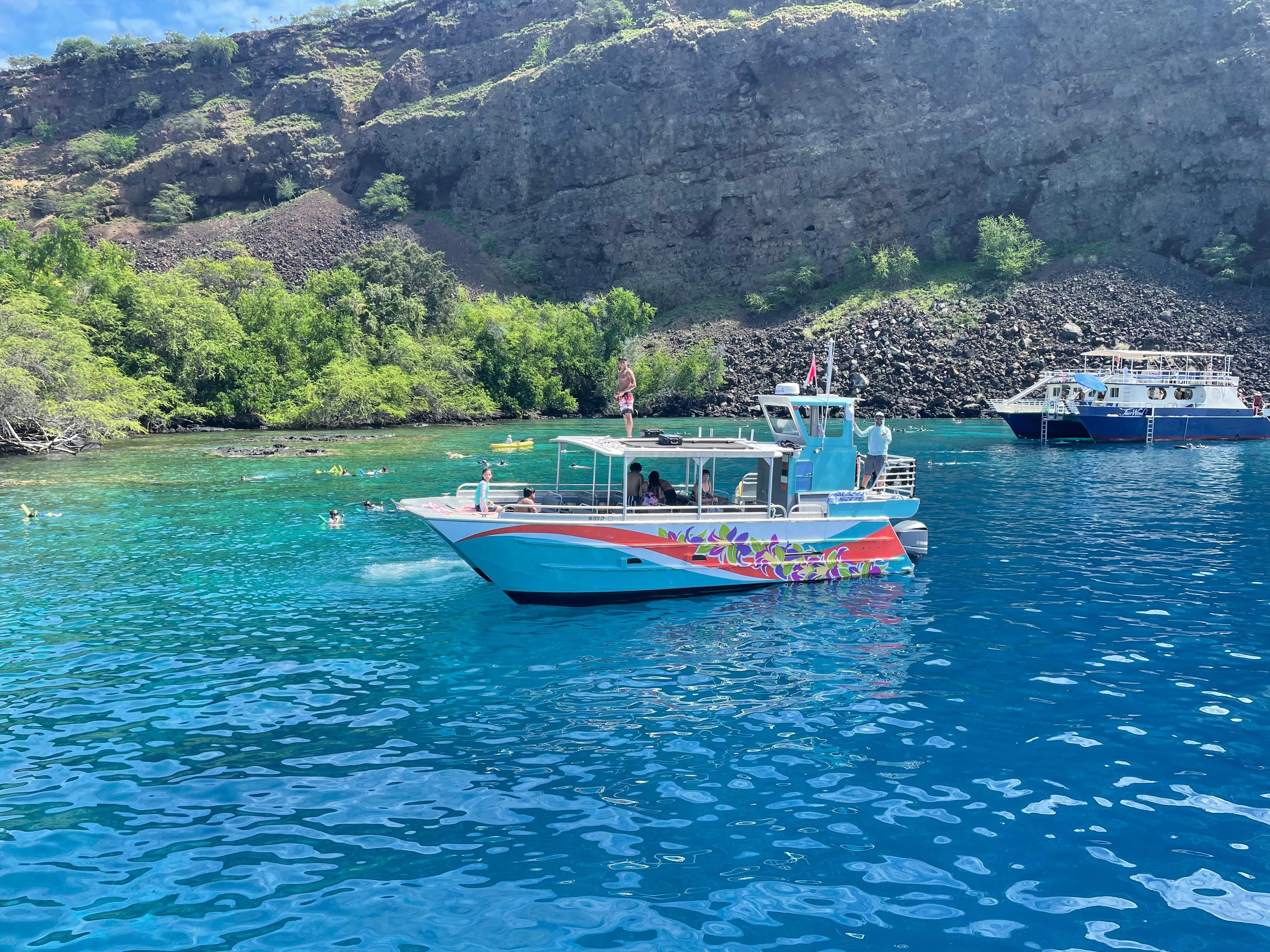
Sail to Kealakekua Bay's legendary reef, snorkel pristine waters, and enjoy a gourmet lunch aboard a shaded cat.
Reserve
Hand-picked by our editors — only the best 5 experiences from 22 reviewed.
Verified partners for every tour, free cancellation where available, and instant confirmation on every booking.
4 hr 30 min
Sail to Kealakekua Bay's legendary reef, snorkel pristine waters, and enjoy a gourmet lunch aboard a shaded cat.
Reserve
3 hr
Explore Hawaii's premier marine sanctuary with snorkeling, sea caves, and historic coastal landmarks
Reserve
4 hr
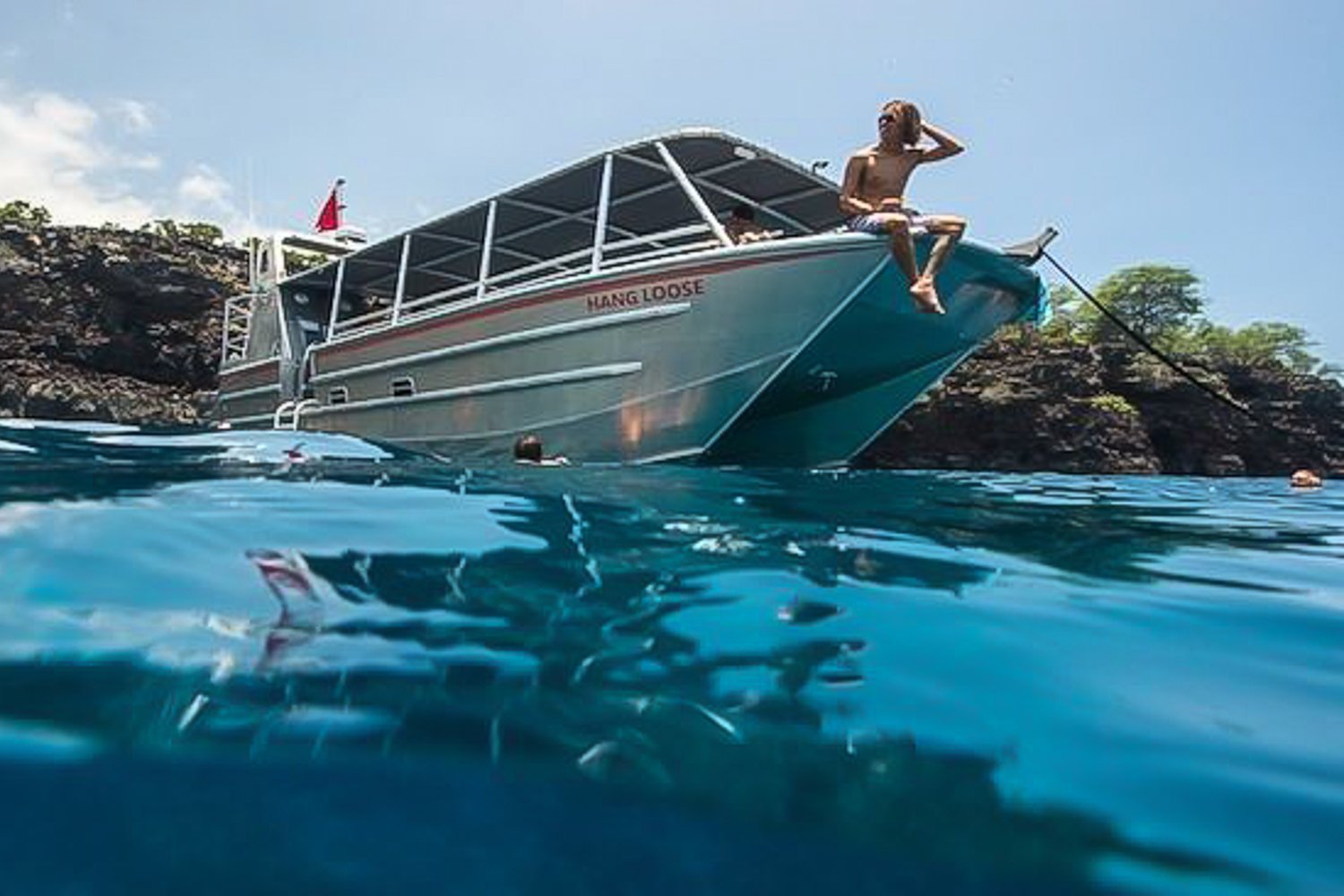
Sail along Kona's coast, swim with spinner dolphins, and explore vibrant coral reefs in crystal-clear waters
ReservePrices from verified partners. Availability updates in real time at checkout. Free cancellation policies apply where shown.
The landmarks, rooms, and views travelers on this tour remember — all visible on a single visit.
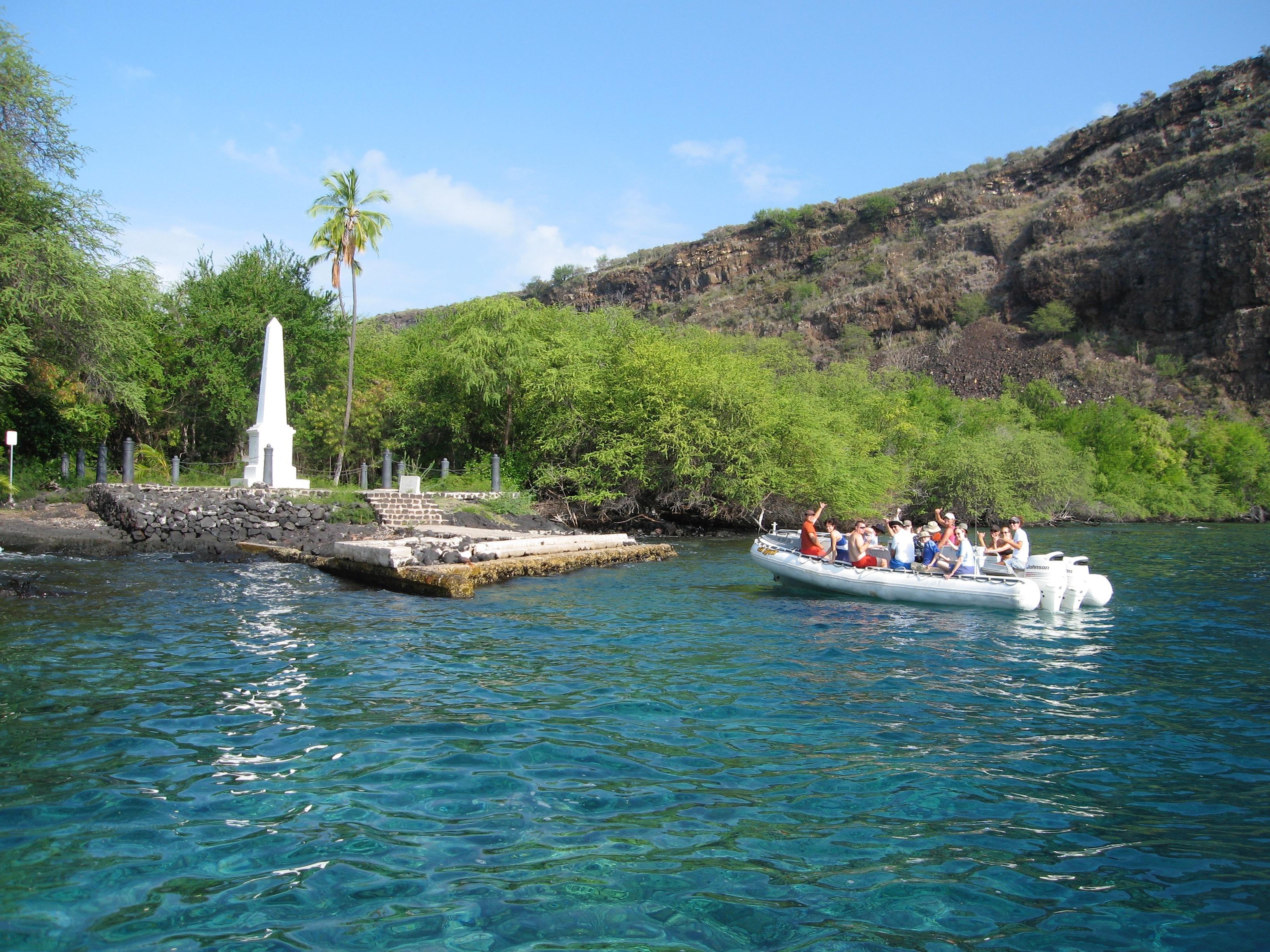
A 27-foot white obelisk memorializing the 1779 landing and death of Captain James Cook.
A massive ancient stone temple platform dedicated to the Hawaiian god Lono.
A protected 315-acre underwater sanctuary teeming with tropical reef fish and sea turtles.
The primary snorkeling destination known for its exceptionally clear, deep, and protected waters.
Guided boat trips provide effortless access to the marine sanctuary, while independent kayaking offers a more personal, physical connection to the Big Island landmarks. They complement each other; most visitors who do both call the boat-based captain cook snorkeling tour in kealakekua bay the more relaxing choice.
| Feature | Top pick Boat Snorkel Tour | Kayak Rental |
|---|---|---|
Effort required |
Low - boarding to swimming | High - paddling required |
Access to restricted areas |
Direct monument access | Direct monument access |
Guided interpretation |
Expert marine life briefings | Self-guided experience |
Comfort and facilities |
On-board restrooms and shade | Limited on-water amenities |
Ability to carry gear |
Ample storage space | Minimal dry-bag storage |
Overall cost |
Higher price point | Lower individual rate |
| See tickets → |
Verdict: Choose a captain cook snorkeling tour in kealakekua bay tours if you prioritize convenience and amenities, or select kayak rentals if you prefer an active, private excursion to view the monument.
Choose your ticket, select your date, and reserve in under two minutes. Secure checkout handled by our verified partner.
Instant confirmation by email, with a mobile voucher you can save offline. No printing, no queuing at a collection desk.
Arrive at the entrance, show your voucher on your phone, and walk in. Most tickets include priority or skip-the-line access.
Practical details for your visit straight from our verified partners — hours, access, rules, and how to get there.
Wear swimwear and water shoes for a captain cook snorkeling tour in kealakekua bay. Sun-protective clothing is recommended given the tropical Hawaiian climate.
There are no secure storage facilities at Kealakekua Bay State Historical Park. Keep valuables with you or in your vehicle, though theft is a risk at remote trailheads.
The Captain Cook monument and surrounding cliffs offer iconic shots. Underwater cameras are essential for capturing marine life during your captain cook snorkeling tour in kealakekua bay.
The shoreline at Nāpōʻopoʻo is accessible, but the Captain Cook monument area requires strenuous hiking or boat access. Contact operators directly regarding accessibility for specific snorkeling vessels.
Families are welcome, but the hike to the monument is challenging for young children. A captain cook snorkeling tour in kealakekua bay by boat is generally the safest family option.
No food or drink services exist within the park. Pack all necessary refreshments and remove all trash when leaving the area.
Best time to go, insider tips, nearby landmarks, and the cancellation fine print — flip through to skim what matters to you.
Flexible, no hidden fees.
Entry to the Kealakekua Bay State Historical Park is free, requiring no tickets. For a captain cook snorkeling tour in kealakekua bay, check the specific operator's policy as many kayak and boat tours are non-refundable.
Captain James Cook met his end on February 14, 1779, at the rocky shore of Kealakekua Bay, a confrontation that forever altered the trajectory of Hawaiian contact with the West. The bay itself had served as a winter anchorage for Hawaiian chiefs for centuries before Cook's arrival, its protected crescent sheltering fleets of double-hulled voyaging canoes. Today the 315-acre Kealakekua Bay State Historical Park preserves both the terrestrial memorial to Cook and the submerged coral ecosystem that thrives in the bay's exceptionally clear waters, a marine life conservation district since 1969. The visibility that drew Cook's ships to this anchorage—often exceeding 100 feet—stems from the bay's unique geomorphology. Steep pali cliffs block trade winds and reduce surface chop, while minimal freshwater runoff keeps sediment loads negligible. The result is a reef system dominated by lobe coral, cauliflower coral, and finger coral formations that host more than 600 documented fish species, including endemic Hawaiian tang, Moorish idols, and the state fish, the humuhumunukunukuapua'a. Spinner dolphins, residents of the bay's deeper waters during daylight hours, rest in pods of thirty or more before departing at dusk to hunt in offshore currents. Access to the bay remains tightly controlled. No road reaches the water's edge on the monument side; visitors arrive by kayak, by foot along the rugged 3.6-mile Kaʻawaloa Trail, or aboard permitted tour vessels. The white obelisk commemorating Cook stands 27 feet tall on a plot ceded to the British Crown in 1877, visible from the water but approachable only by those willing to navigate lava rock and urchin-studded shallows. The monument's isolation has inadvertently protected the surrounding reef from the trampling that degrades more accessible snorkel sites along the Kona coast. Captain Cook snorkeling tour in Kealakekua Bay operators depart from Keauhou and Kailua-Kona, most offering morning runs timed to the bay's calmest conditions. Catamarans and rigid-hull inflatables dominate the fleet, with passenger limits enforced by state permits designed to prevent overcrowding at mooring sites. Snorkel gear, flotation devices, and reef-safe sunscreen advisories are standard across licensed providers. The bay's status as a marine sanctuary prohibits anchoring, fish feeding, and the removal of coral or shells; violators face fines exceeding $1,000. Beyond the reef, the cultural weight of Kealakekua remains palpable. The bay's Hawaiian name translates to "pathway of the god," a reference to the akua Lono, whom Cook's crew inadvertently impersonated during their arrival at the height of the Makahiki festival. Archaeological surveys have identified more than a dozen heiau platforms and fishpond remnants along the bay's perimeter, evidence of a population that once numbered in the thousands. The juxtaposition of vibrant marine life and layered history makes a captain cook snorkeling tour in Kealakekua Bay less a recreational outing than an entry point into the forces—natural, cultural, and colonial—that shaped modern Hawaii.

"The visibility that drew Cook's ships to this anchorage often exceeds 100 feet, a clarity born of steep cliffs that block wind and runoff."
A step-by-step walkthrough of the visit — what you'll see, how long each stage takes, and the details that matter.
You board at Keauhou Harbor before sunrise, the catamaran's twin hulls cutting south as the sky lightens behind Mauna Loa's silhouette. The 12-mile crossing takes forty minutes, long enough for the crew to brief you on reef etiquette and point out spinner dolphins arcing through the bow wake. As the boat rounds the southern point, Kealakekua Bay opens before you—a turquoise crescent framed by 800-foot cliffs, the white Cook Monument visible as a pale vertical against dark lava. The captain drops anchor in the marine sanctuary's designated zone, 200 yards offshore from the monument. You slip into water that feels warmer than the morning air, visibility so sharp you can see the anchor chain tracing down to sand 80 feet below. Within seconds you're suspended above a coral garden: yellow tang swarm in clouds of fifty, parrotfish scrape algae from brain coral heads, and a hawksbill turtle glides past, indifferent to your presence. You drift toward the monument's shore, where the reef transitions to boulders and the water shallows to ten feet. Surgeonfish and triggerfish weave through crevices, their colors intensified by the unfiltered sunlight. Back aboard, the crew serves a lunch of tropical fruit, sandwich wraps, and iced drinks while you dry off on the trampoline nets stretched between the hulls. The return crossing offers a second chance at dolphin sightings—pods often approach the boat, spinning and breaching in the wake. You dock by mid-afternoon, salt-crusted and sun-warmed, the memory of that crystalline reef already sharpening into the kind of detail that resists fading.
The park is open daily from 07:00–20:00.
There is 0 USD entrance fee for the park itself, though commercial tours carry their own costs.
Yes, but it is a steep 3.8-mile round-trip hike that is difficult in the midday heat.
The best arrival window is 07:00–10:00 to ensure calm water conditions.
No, pets are not permitted within Kealakekua Bay State Historical Park.
Yes, boat tours provide stable platforms and guided assistance for all skill levels.
Tickets for a captain cook snorkeling tour in kealakekua bay should be booked directly via licensed boat or kayak operators.
Yes, limited restroom facilities are available at the Nāpōʻopoʻo entry point.
Yes, but check with your chosen captain cook snorkeling tour in kealakekua bay provider regarding their specific equipment policies.